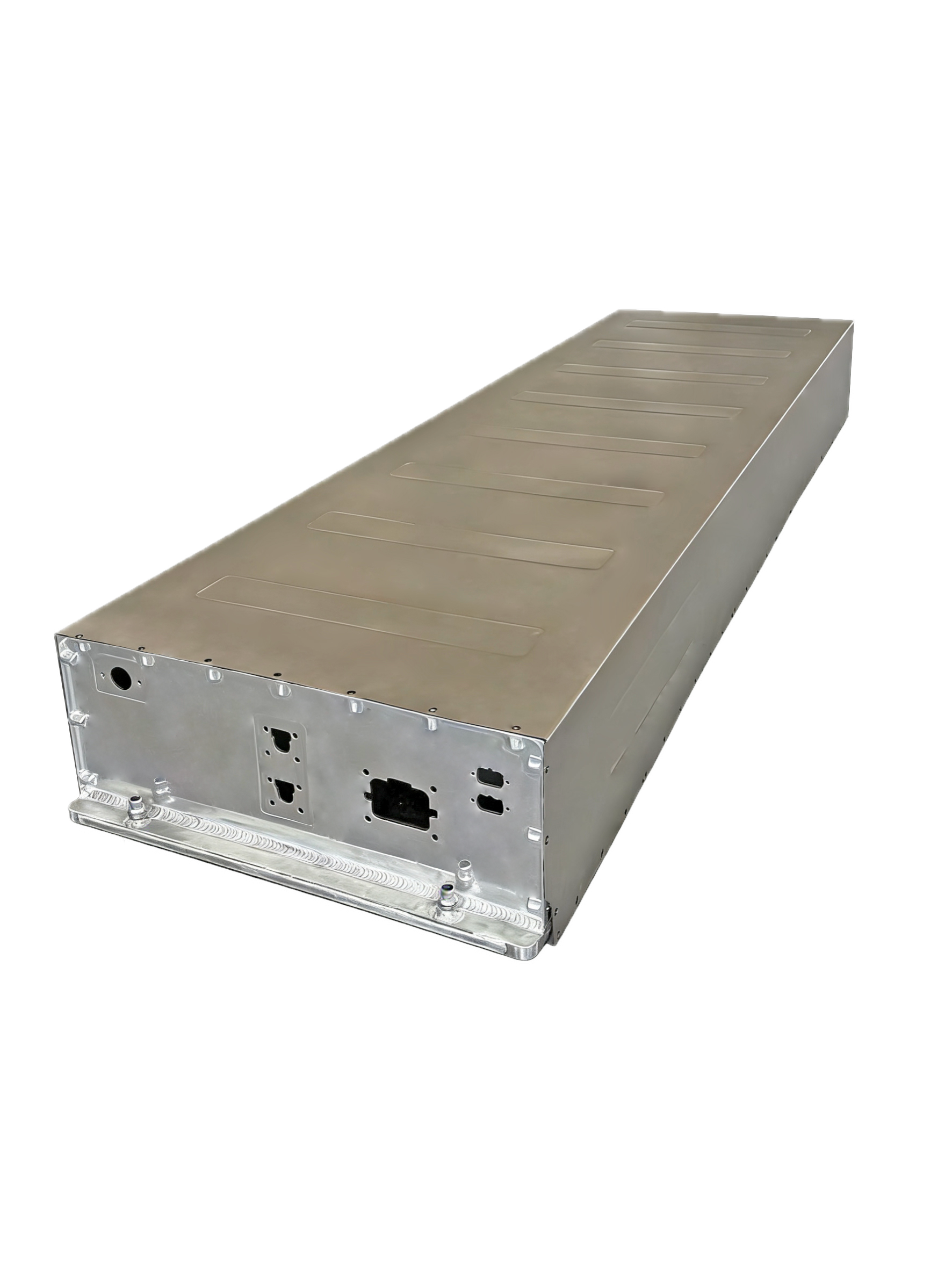
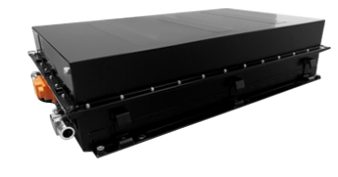
What is a liquid-cooled battery cold plate, and how does it differ from air cooling?
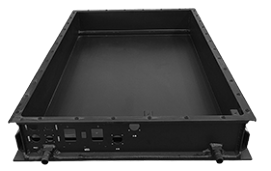
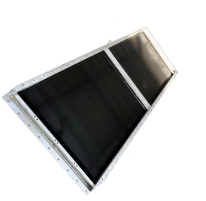
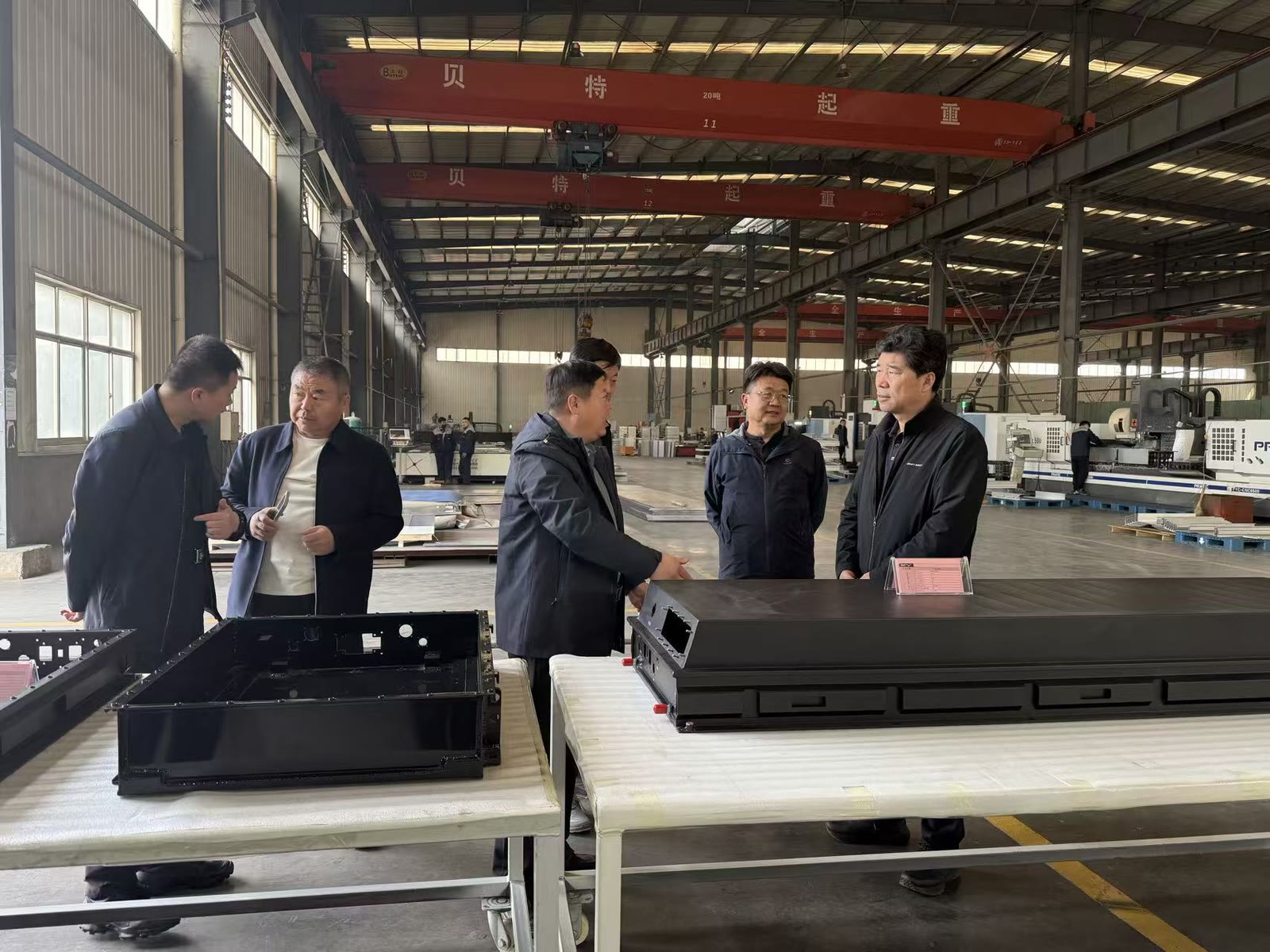
A liquid cold plate is a flat aluminum structure with internal coolant channels, sandwiched between battery cells and the cooling circuit, transferring cell heat into circulating coolant. Compared to air cooling, liquid cold plates maintain cell temperature uniformity (ΔT <2.5°C vs 6–8°C with air) under fast charge and high-temperature load, extending battery life by 30–40% — critical above 35°C ambient. Almost any commercial EV pack above 100 kWh needs liquid cooling.
Why is a friction stir welded (FSW) cold plate better than a brazed one?
FSW doesn't melt the aluminum (it stirs at solid-state, ~80% of melting temperature), so the joint is structurally indistinguishable from the parent metal — no heat-affected zone weakening, no porosity, no distortion. Across 10-year accelerated-life tests, FSW joint leak rates are roughly 30× lower than brazed equivalents. For commercial-vehicle batteries doing 2–3 cycles/day or for ESS projects, that gap translates directly into warranty rate and lifecycle cost. The tradeoff: FSW capital equipment is more expensive ($400K–1.2M per machine vs $200K–600K for a brazing furnace).
Why does IATF 16949 matter for battery cooling component sourcing?
IATF 16949 is the global automotive sector quality management standard — any part going on a vehicle needs an IATF-certified supplier. It builds on ISO 9001 with automotive-specific additions: mandatory PPAP, SPC on key characteristics, PFMEA, batch traceability, customer-specific requirements. When sourcing, don't just check the certificate — verify the last 3 audit findings (zero non-conformities is the meaningful signal), key-characteristic Cpk data (>1.33), and a live traceability walkthrough for a specific lot. Vendors with only ISO 9001:2015 typically have far worse batch consistency than IATF-certified ones.
How does 1500V battery cooling differ from 800V?
A 1500V platform doubles the number of series cells, jumps insulation spacing per IEC 60664-1 from 4.0 mm to 8.0 mm, and tightens cell-to-cell uniformity tolerance from ±5°C to ±1.5°C to avoid partial discharge at the cell-busbar interface. Air cooling stops working, single-zone liquid cooling is no longer sufficient, and you need multi-zone liquid cooling with active flow balancing plus CTI 600+ polymer flow components. The cooling system itself becomes part of the insulation system — coolant must be deionized or non-conductive. Early 1500V deployments using Gen-1 liquid cooling show ~3× the warranty rate of equivalent 800V trucks, primarily from insulation failures.
Does Keyuan ship to customers outside China?
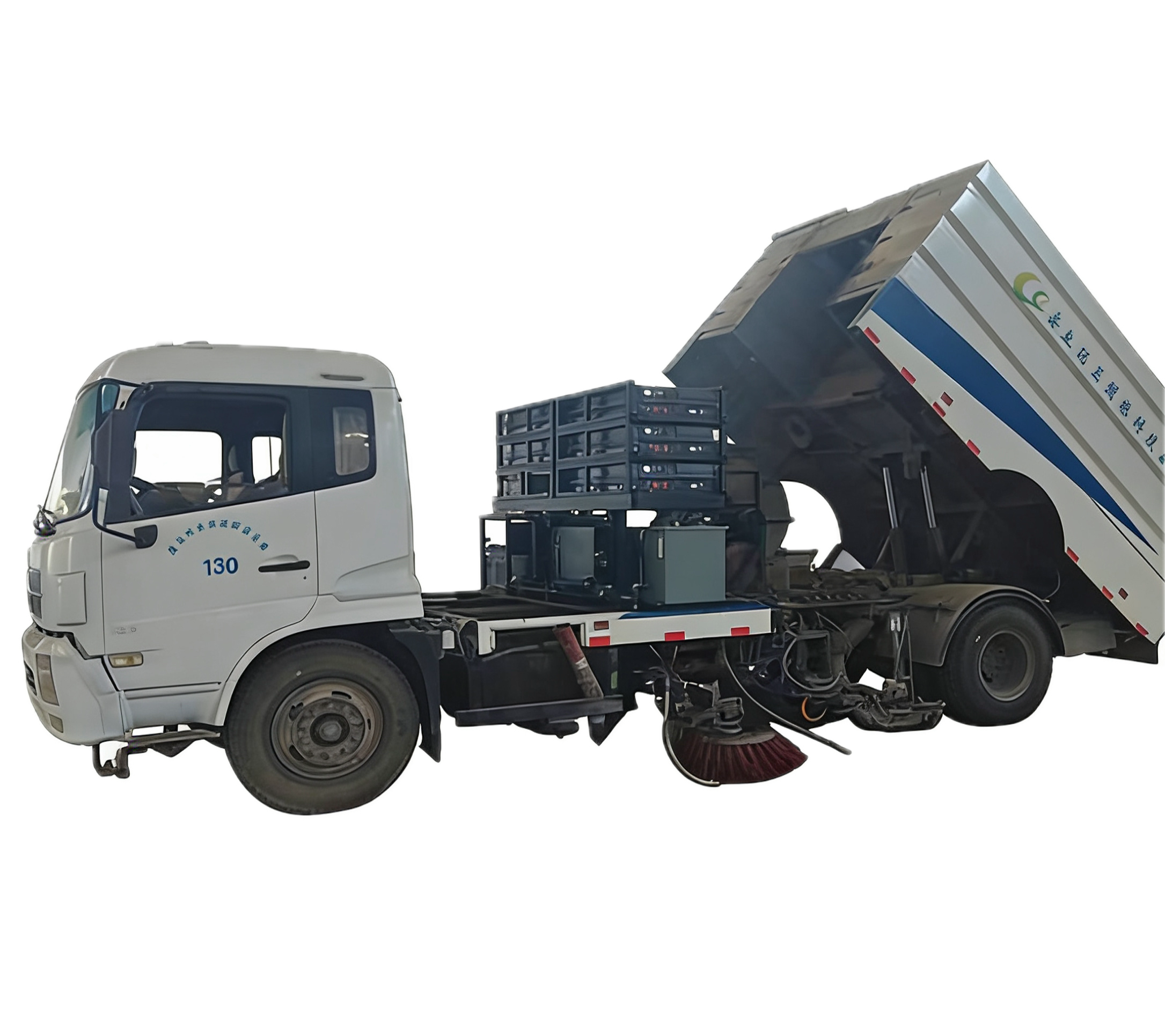
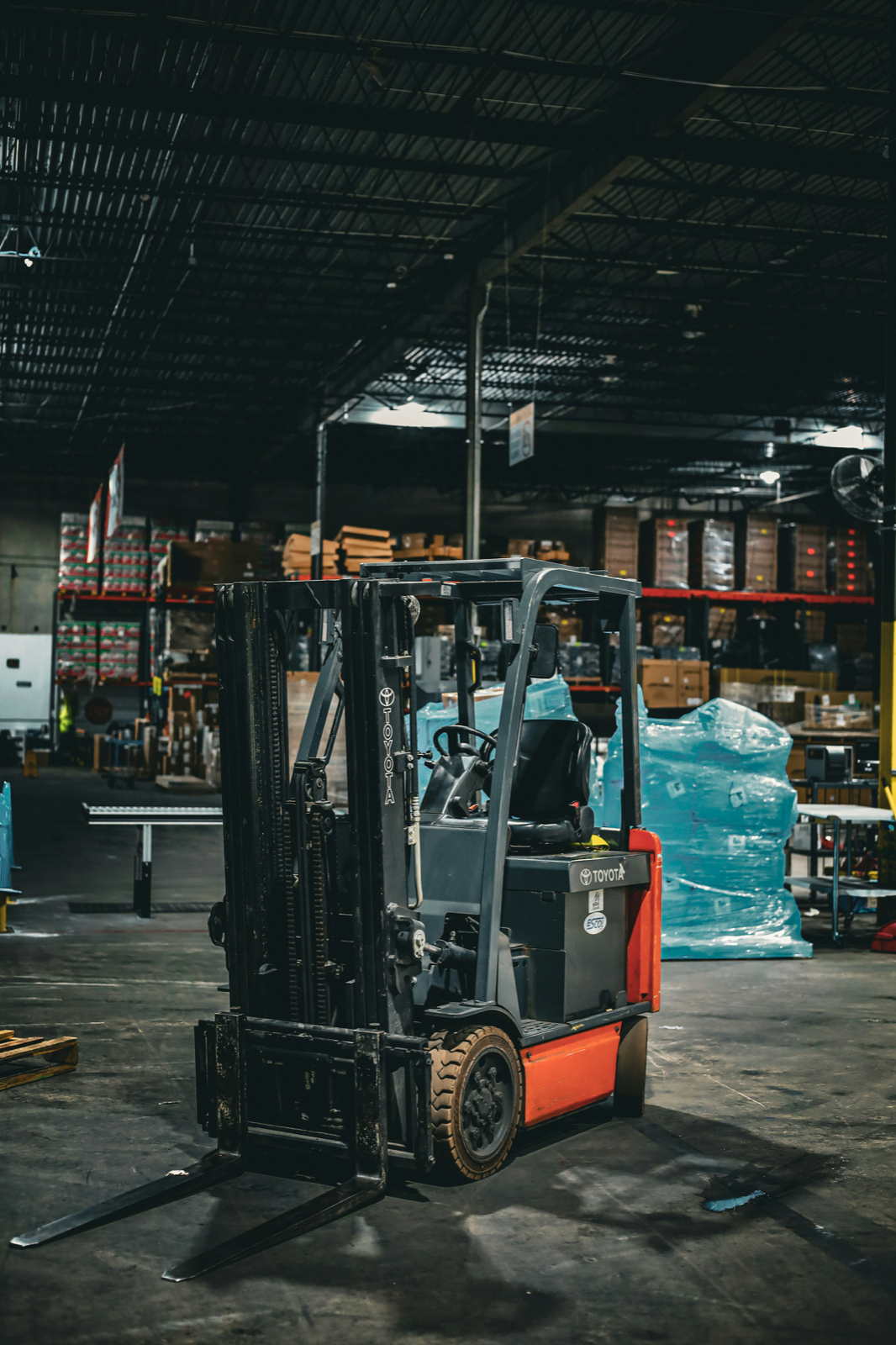
Yes. Keyuan exports to 10+ countries with international business accounting for ~40% of total revenue. We've delivered to customers in India, the Middle East, Southeast Asia, Europe (CE-certified), and Russia (EAC-certified). We hold IATF 16949, ISO 9001:2015, ISO 14001:2015, and UN38.3 shipping certifications, with multilingual sales support (Chinese, English, German, Russian, Arabic). Customer references include CRRC (ESS containers), Shacman (heavy trucks), Yutong (buses), Hangcha + Linde/Jungheinrich (forklifts), FAW (mining vehicles).
What's the typical development lead time for custom cold plates?
Standard products (LC H/G/C series, LCP-1P52S/1P104S): 2–4 weeks delivery, ready for volume orders. Light customization on existing architectures (size, port locations): 4–8 weeks including PPAP samples. Full new development (new geometry, new flow architecture): 4–6 months including DFMEA, PFMEA, reliability validation, and PPAP submission. ESS projects usually take the standard-plus-light-customization path; commercial vehicle OEM programs typically follow the full development path.